How To Style Thick Hair: The Ultimate Guide For Effortless Volume And Manageability
Do you ever look in the mirror and think, "hair style thick?" You're not alone. For those blessed with a full, luxurious head of hair, the daily reality can be a paradox: a dream density that often feels like a styling nightmare. Thick hair, while enviable for its inherent volume and strength, comes with a unique set of challenges—unruly frizz, stubborn weight, difficulty holding a curl, and that overwhelming feeling of having too much hair to control. But what if we told you that your thick mane isn't a problem to be solved, but a powerful asset to be sculpted? This comprehensive guide is your masterclass in transforming thick hair from a source of frustration into your greatest style advantage. We’ll dive deep into cuts, products, tools, and techniques specifically engineered for your hair type, moving beyond basic advice to deliver truly actionable strategies for achieving the voluminous, polished, or effortlessly tousled looks you desire.
Understanding Your Thick Hair: The Foundation of Great Style
Before we talk cuts and products, we must understand the canvas we're working with. "Thick hair" is an umbrella term that describes two primary characteristics: hair density (how many hairs are on your head) and hair strand thickness (the actual diameter of each individual hair). You can have high density with fine strands (a lot of fine hair) or low density with coarse strands (fewer, but wider hairs). Most people with "thick hair" experience a combination of both—high density and medium to coarse strand thickness. This combination creates the classic challenges: the hair has substantial mass, resists being flattened, and has a strong, often rebellious, natural texture.
The science behind this lies in the hair's cuticle layer. Thicker strands typically have a more robust, raised cuticle, which makes them more porous. This porosity is a double-edged sword. It allows hair to absorb moisture (and products) readily, which is great for deep conditioning, but it also means it's highly susceptible to humidity-induced frizz. Furthermore, the sheer weight of dense hair can drag down styles, making it difficult for roots to lift and for curls to retain their bounce. A 2023 study in the International Journal of Trichology noted that individuals with high hair density often report lower satisfaction with manageability scores compared to those with medium density, highlighting the need for specialized care routines. Recognizing your specific type of thick hair—whether it's wavy, curly, coily, or straight—is the critical first step. Your styling approach will differ dramatically for thick, straight hair versus thick, curly hair. The goal is to work with your hair's natural propensities, not fight a constant battle against them.
The Golden Rule: The Right Haircut is Everything
You can have the most expensive products and tools in the world, but without the foundational structure of a proper haircut, your thick hair will always feel unmanageable. The right cut removes bulk, adds shape, and creates movement, turning overwhelming mass into intentional volume. This is non-negotiable.
Layered Cuts: Your Secret Weapon Against Bulk
For thick hair, strategic layering is the single most transformative technique. The misconception is that layers make hair thinner; in reality, well-executed layers remove the "pyramid" effect of dense, one-length hair. They thin out the interior without sacrificing overall volume, allowing the hair to fall in a more controlled, shaped manner. For straight or slightly wavy thick hair, long, soft layers starting around the jawline can dramatically reduce weight. For curly or wavy thick hair, deva cuts or curly-specific layering are essential. These techniques cut the hair while it's dry and in its natural curl pattern, accounting for shrinkage and ensuring each curl has room to spring. The result is a shape that defies the "triangle head" effect and promotes a balanced, voluminous silhouette. Ask your stylist specifically for "texturizing layers" or "point cutting" to avoid creating harsh lines that can make thick hair look boxy.
Texturizing and Thinning: Use with Extreme Caution
Tools like thinning shears or texturizing razors can be useful for removing internal weight, especially in the crown or ends. However, this is a technique for professionals only. Over-thinning thick hair creates frayed, fuzzy ends that look perpetually damaged and frizzy. It can also create unwanted texture where you want sleekness. The modern approach favors point cutting and slide cutting over aggressive thinning. These techniques create soft, lived-in texture and remove bulk by cutting the hair shaft at an angle, rather than chewing it up. If your stylist suggests thinning shears, ask them to show you exactly where and how much they plan to remove. For home maintenance, never attempt this yourself.
The Power of the Right Length
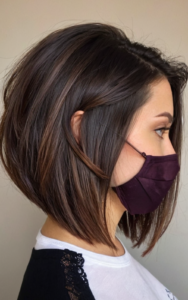
Length plays a huge role in manageability. Many with very thick, coarse hair find that medium to short lengths (think lob, bob, or even a pixie) are the most manageable. The reduced length means less overall weight and less hair to style. A well-cut, textured bob can be washed, air-dried with a little product, and look intentionally styled. Conversely, if you love long hair, the cut must be exceptionally layered and texturized from mid-lengths to ends to prevent the ends from looking like a heavy, solid blanket. The key takeaway: your haircut is your daily styling shortcut. Invest in a stylist who specializes in thick or curly hair. Bring photos. Communicate your struggle with bulk and desire for shape. This consultation is worth more than any product you'll buy.
The Product Arsenal: What to Buy and Why
With the right cut, products become the finishing touches that define your style. For thick hair, you need products with holding power, moisture control, and frizz-fighting capabilities. Avoid lightweight, watery products—they'll be swallowed without a trace.
Shampoo & Conditioner: The Cleansing Foundation
Start with a sulfate-free shampoo if your hair is color-treated or dry, but don't fear a gentle cleansing sulfate if you have a lot of product buildup. The key is to cleanse the scalp thoroughly. For conditioners, reverse conditioning can be a game-changer for very thick, coarse hair. This means applying conditioner primarily to the mid-lengths and ends, avoiding the roots where it can cause flattening. Look for conditioners with emollients like shea butter, argan oil, or coconut oil to smooth the cuticle and combat the inherent dryness of porous thick hair. For curly thick hair, a co-wash (conditioner-only wash) between shampoo days can maintain moisture without stripping natural oils.
Styling Products: The Architecture of Hold
This is where you build your style. Mousse is a thick-hair MVP. Don't think of the 90s foam; modern mousses are sophisticated. Apply it to damp hair, focusing on the roots for lift and throughout for body. Gel is another powerhouse, especially for curly and wavy thick hair. A strong-hold gel (like a "jelly" gel) creates a cast that locks in curl definition and fights humidity. The "scrunch out the crunch" method is essential here. Creams and lotions are ideal for smoothing and taming frizz on straight or wavy thick hair. A pea-sized amount focused on the ends and any flyaway-prone areas (like the crown) creates a polished finish without stiffness. Texturizing sprays or sea salt sprays add grit and separation, making thick hair feel lighter and more piece-y. Finally, serums and oils are for surface-level frizz control and shine. Use them sparingly on the very ends and any flyaways, never on the roots. A pro tip: for ultra-frizz control, mix a drop of serum with your cream or gel in your palm before applying.
Tool Mastery: The Heat & Brush Techniques That Transform
Your tools are the instruments that bring your product and cut to life. Using the wrong tool on thick hair is like using a butter knife to carve wood—it's frustrating and ineffective.
The Blow-Dry Blueprint
A round brush is your best friend for volume. For thick hair, you need a brush with boar bristle and nylon mix or a ceramic ionic round brush. The boar bristles help smooth the cuticle, while the nylon provides grip on dense hair. The key is sectioning. Work in 1-2 inch sections. Start at the roots, lift with the brush, and direct the airflow from your dryer down the hair shaft to smooth the cuticle. For maximum root lift, use a vented round brush or even your fingers to lift the roots and blast them with cool air to set. A diffuser is non-negotiable for curly/wavy thick hair. It disperses airflow, preventing the frizz that a direct dryer blast causes. Cup sections of hair into the diffuser and let it sit for a few seconds to dry, rather than moving it constantly.
Flat Irons and Curling Tools: Heat Management is Key
Thick hair requires high-heat tools (375°F-410°F) to be effective. A low-heat flat iron will just drag and pull, causing damage without straightening. For sleek styles, use a 1 to 1.5-inch ceramic flat iron. Work in small sections and go over each section only once or twice. For curls or waves, a 1-inch curling iron or wand is ideal. The technique matters: clamp the hair near the roots, wrap it around the barrel away from your face, and hold for 8-10 seconds. Let the curl cool completely in your hand before releasing—this "setting" step is crucial for longevity in thick hair. Always, always use a heat protectant spray before any hot tool. Look for one with polymers that form a protective barrier.
The Secret Weapon: The Right Brush for Between Styles
For day-two hair or quick refreshes, a boar bristle paddle brush is stellar for smoothing and distributing natural oils from the scalp down the hair shaft. A wide-tooth comb (for curly hair) or a detangling brush (like a Tangle Teezer) is essential for wet hair to prevent breakage. Never brush curly thick hair dry with a fine-tooth comb; you'll create a frizzy halo.
Daily Styling Routines for Every Thick Hair Type
Theory is great, but let's get practical. Here are actionable routines for the most common thick hair textures.
For Thick, Straight Hair: The Sleek & Polished Look
- Wash & Condition: Use a smoothing shampoo/conditioner. Reverse condition.
- Towel-Dry Gently: Squeeze, don't rub. Apply a lightweight leave-in conditioner and a heat protectant.
- Blow-Dry with Volume: Apply mousse to damp roots. Use a large round brush, lifting at the crown. Dry in sections.
- Finish: For extra sleekness, run a flat iron over the ends. Apply a tiny amount of serum to ends and flyaways. This routine takes 15 minutes and results in a salon-fresh, glossy blowout.
For Thick, Wavy/Curly Hair: The Defined & Bouncy Look
- Wash: Use a gentle, moisturizing shampoo. Condition generously, detangling in the shower with fingers or wide-tooth comb.
- Style on Soaking Wet Hair: Apply your leave-in conditioner, then your curl cream, and finally your strong-hold gel (the "rake and shake" method works well). Don't skip the gel—it's your humidity armor.
- Dry with Diffuser: Cup sections into the diffuser, set on low heat/low speed. Dry 80% of the way, then let air-dry the rest to prevent frizz.
- The Final Touch: Once completely dry, "scrunch out the crunch" from the gel. Apply a light oil or serum to the ends. This routine embraces your natural texture and provides all-day definition.
For Thick, Coily Hair: The Moisturized & Defined Look
- Hydration is Step Zero: Pre-poo with an oil, then shampoo with a sulfate-free, creamy cleanser. Deep condition weekly.
- The LOC or Liquid-Oil-Cream Method: On damp hair, apply a liquid leave-in (water-based), then an oil (like jojoba), then a thick cream or butter. This sequence locks in moisture.
- Dry with Care: Use a diffuser on a low setting or sit under a hooded dryer. Avoid touching hair while drying.
- Maintain: Sleep on a satin/silk pillowcase or wear a satin bonnet. Refresh with a water-based spray and a tiny bit of oil in the morning. This routine is about consistent moisture retention to prevent shrinkage and extreme dryness.
Common Mistakes That Sabotage Thick Hair
Even with the best products, certain habits can undo all your hard work.
- Over-washing: Stripping natural oils leads to dryness and frizz. Aim for 2-3 times a week, using dry shampoo at the roots in between.
- Using Too Much Product: More is not more. Start with a dime-sized amount of cream or gel, emulsify in your hands, and apply. You can always add more, but you can't take it out.
- Skipping the Cool Shot: After blow-drying, blast your hair with cool air for 30 seconds. This "locks in" the style by closing the hair cuticle.
- Brushing Dry, Curly Hair: This is the #1 cause of frizz. Only detangle when saturated with conditioner or a dedicated detangling spray.
- Ignoring the Ends: Thick hair needs regular trims (every 8-10 weeks) to remove split ends, which travel up the hair shaft and make the entire head look frayed and unhealthy.
- Using the Wrong Brush on Wet Hair: A paddle brush on wet, thick, curly hair is a recipe for breakage. Always use a wide-tooth comb or a specific wet brush.
Seasonal Care: Adapting Your Routine Year-Round
Thick hair's needs change with the seasons. In summer, humidity is your enemy. Prioritize anti-humidity products, stronger hold gels, and protective styles like braids or buns to minimize exposure. Consider clarifying shampoos once a month to remove product buildup that humidity can exacerbate. In winter, indoor heating creates dryness. Switch to richer conditioners and deep conditioning treatments. Use leave-in conditioners and oils more liberally. Protect hair from cold, dry air with scarves (satin-lined is best) to prevent breakage and moisture loss.
Conclusion: Embrace the Abundance
The journey to mastering your hair style thick is not about taming or reducing your hair's natural abundance. It's about understanding, respecting, and strategically enhancing it. It starts with the architectural precision of the right haircut from a specialist. It's fueled by a targeted arsenal of products that provide the weight and hold your hair demands. It's executed with the proper tools and techniques that work with your hair's texture, not against it. And it's maintained through consistent, mindful routines that address its seasonal needs.
Stop seeing your thick hair as a challenge to be overcome. See it as the powerful, voluminous canvas it is. With the knowledge in this guide—from layered cuts that banish bulk to the gel that locks in curl definition through a humid summer—you now have the blueprint. Experiment, find what works for your specific wave pattern and lifestyle, and invest in the professionals who understand your hair type. The result won't just be a good hair day; it will be the confident, effortless feeling of finally working with your nature, not against it. Your thick hair is your signature. Now go style it with intention.